
The Sisters in Black: A Tragic Tale from Christiansburg's Past
Have you ever heard whispers about mysterious happenings at the old Christiansburg High School site? Maybe a chilling first-person account of shadowy figures or unexplained events? If so, you're tapping into one of the most enduring local legends in Montgomery County: the story of the Sisters in Black.
This tale weaves together elements of ghost story, urban legend, family tragedy, untreated mental illness, and even murder. It's a narrative that has haunted Christiansburg residents for over a century, overshadowing the once-proud history of the Montgomery Female Academy (also known as Montgomery Female College). We’ll explore what we truly know, what has been rumored, and why this dark chapter continues to captivate imaginations.
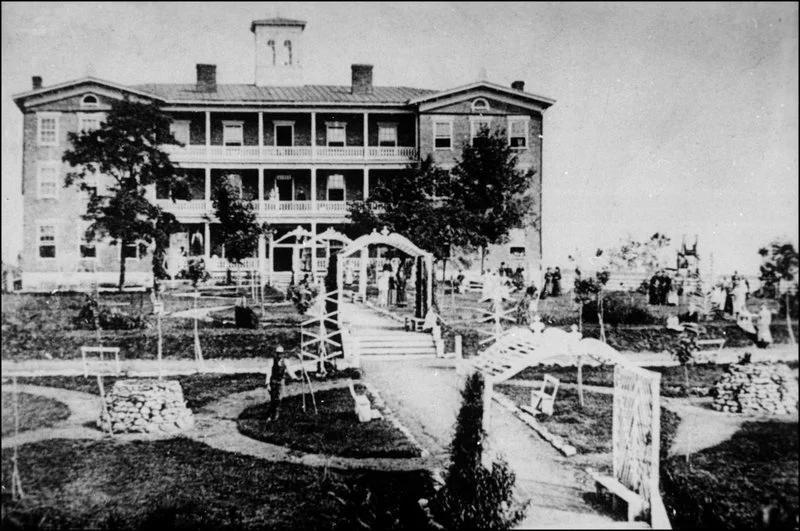
Montgomery Female Academy, D. D. Lester Collection
The Golden Era of the Montgomery Female Academy
To understand the tragedy, we must start at the beginning. Education in mid-19th-century Montgomery County was a privilege, not a right. Early schools were often church-affiliated or private ventures. By the 1840s and 1850s, institutions like the Blacksburg Female Academy and Montgomery Male Academy served the area's white families.
In 1852, with support from the Christiansburg Presbyterian Church, the Montgomery Female College opened on South Franklin Street. It offered a "thorough and polite education," including classics, higher mathematics, sciences like physics, chemistry, and botany, plus extras like music, French, needlework, and artificial flower making. Tuition was steep: $8 for primary students, up to $20 for seniors in the collegiate department, with additional fees for luxuries.
Public high schools didn't arrive in Virginia until after 1870 legislation (which mandated separate schools for white and Black students), and Montgomery County's first public high schools opened only in 1906. The Female College filled a real gap for affluent families—boarding and tuition could reach $200 annually by the 1880s, a fortune when unskilled laborers earned about $1 a day.
In 1860, the school moved to a grand new three-story brick building on seven acres along College Street, dubbed Montgomery Hall. It featured parlors, classrooms, a library with 2,000 volumes, a sick room, dining facilities, and a multi-purpose hall for chapel, balls, and assemblies—amenities rivaling modern campuses.
Under leaders like Dr. Samuel K. Cox (who purchased it in 1870) and the beloved principal Oceana Seaborn Goodall Pollock (a widowed teacher praised as a "wonderful woman" devoted to her students), the school thrived. Testimonials glowed: one from a state Attorney General noted his daughters' great progress; a Baltimore reverend called Mrs. Pollock an "enthusiast" bound by religious conviction.
Student life sounded familiar yet privileged. In an 1877 letter, graduate Lucy Holman complained to her cousin about exam stress and a daunting 19-page piano duet for the end-of-term concert—while excitedly planning her curled hair and swiss dress.
The Arrival of the Wardlaw Sisters and the Descent
The school's fortunes shifted in the late 1800s. Financial woes led to foreclosure and sales. Mrs. Pollock bought it at auction (notably, her brother was bank president), then sold it again. By the early 1900s, Virginia Wardlaw—Mrs. Pollock's niece, a Wellesley graduate and experienced educator—took over. She refurbished dormitories and applied progressive methods.
But peace shattered when her sister Caroline Martin arrived. Described by family as "insane for years," Caroline dressed oddly (all in black with veils), isolated the family, and disrupted operations: changing classes, padlocking doors, frightening students. Rumors swirled of occult activities from their time at Soule Female College in Tennessee, where similar oddities and financial ruin forced their departure.
Caroline's influence proved destructive. Family members like nephews Wardlaw and Fletcher Snead were coerced to Christiansburg. Wardlaw suffered bizarre "accidents"—a train fall, a cistern incident, then death by burning in 1906, shortly after Caroline took out a life insurance policy on him (beneficiary changed to Virginia). Suspicion grew, though some called it suicide.
The school spiraled: unpaid bills, departing students, failed fundraising (including dubious claims of hidden money in ash barrels). It closed around 1908, leaving debts. The sisters vanished.
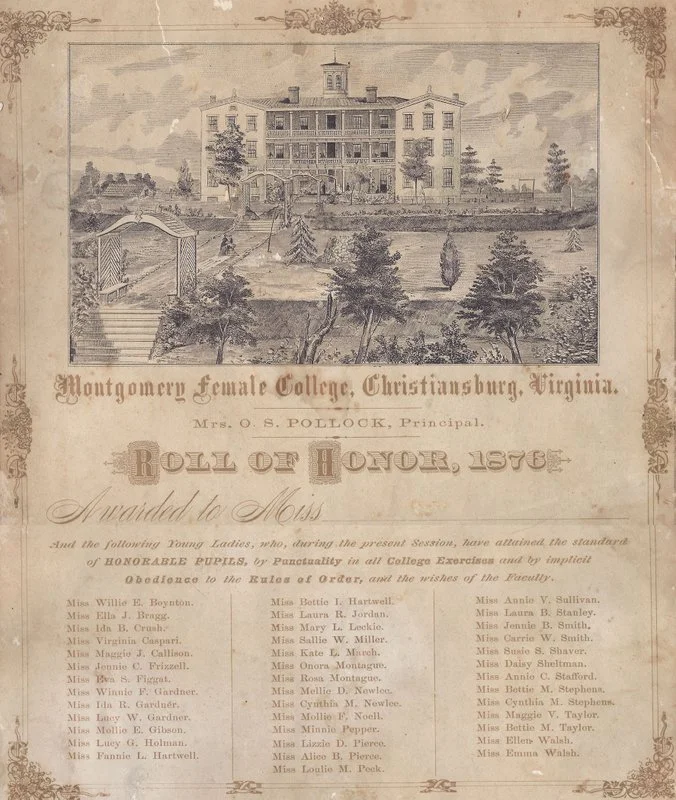
Montgomery Female Academy Honor Role, 1876
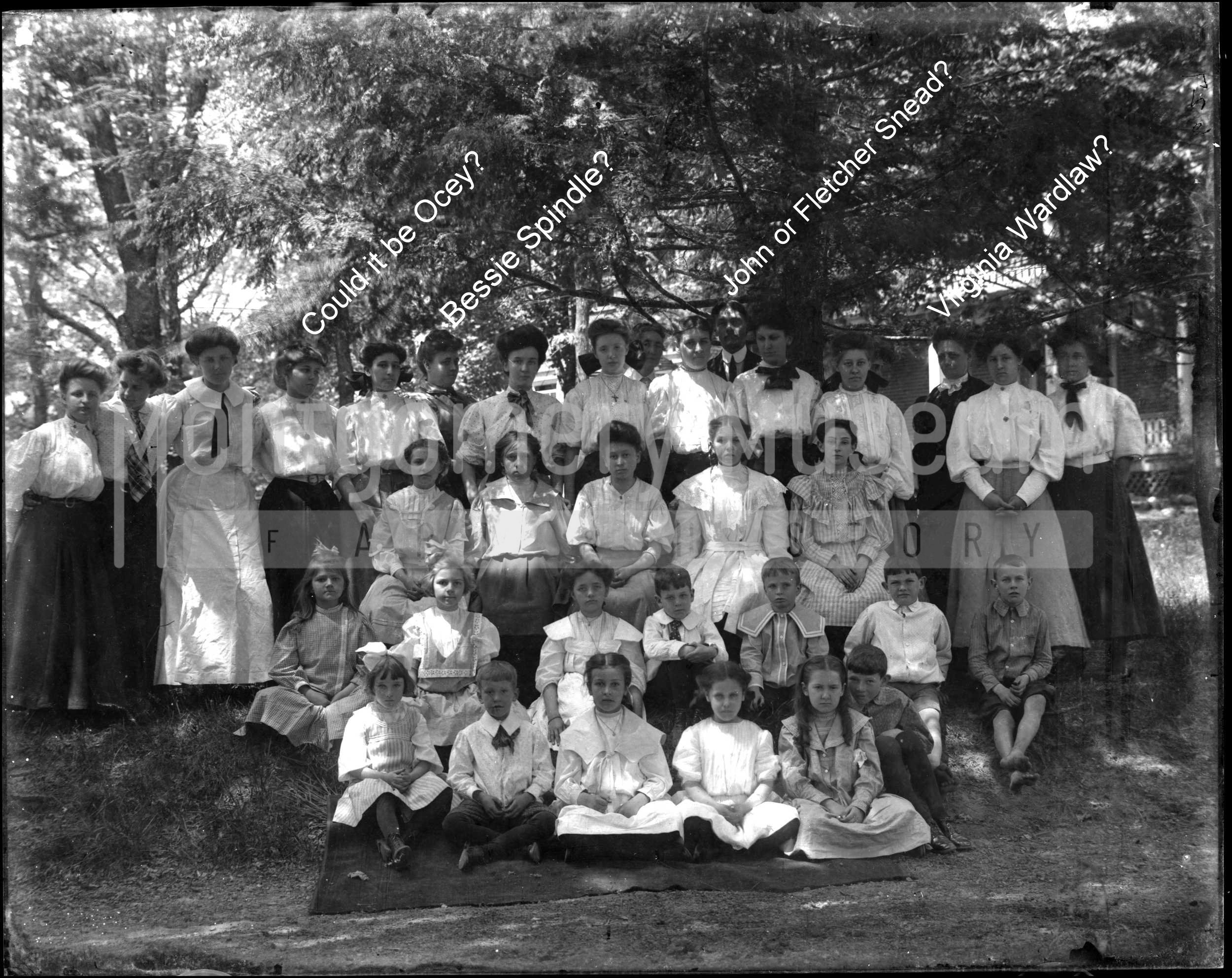
Montgomery Female Academy Group Photo with Labels, D. D. Lester Collection
The Bathtub Tragedy and National Scandal
The story climaxed far from Christiansburg. By 1909, in East Orange, New Jersey, police found Ocey Martin Snead (Caroline's daughter, married to Fletcher) dead in a bathtub with shallow water. A suicide note cited grief over her child's death and illness. But the bare apartment, recent move, Virginia's presence, and a $20,000 life insurance policy (worth over $700,000 today) raised alarms. Ocey appeared starved and neglected; doctors reported she ignored care instructions.
Virginia, Caroline, and Mary Wardlaw Snead were arrested for murder. Sensational headlines spread nationwide—exaggerations included charred remains or hypnotic powers (mostly debunked). Virginia starved herself to death in jail before trial. Caroline pleaded no contest to manslaughter, served time, then died in an insane asylum in 1913. Charges against Mary dropped on technicality.
In today's dollars, motives tied to money were staggering—over $1.2 million combined from property and insurance.
Legacy and Lingering Questions
Back home, the scandal tarnished Montgomery Female College's reputation forever. The grand Montgomery Hall was sold, became a boarding house, then demolished in 1935 for the new Christiansburg High School. The "Sisters in Black" legend persists—tied to hauntings at the old school site, nighttime wanderings to Sunset Cemetery, unpaid debts, and whispers of witchcraft or the occult. Museum inquiries overwhelmingly focus on this dark chapter, not the school's academic achievements under leaders like Oceana Pollock.
Questions endure: Was Wardlaw's death suicide or foul play? Did Ocey die by murder, neglect, or suicide? Did family efforts to hide Caroline's instability enable tragedy? Where do facts end and legend begin?
This story lives on through local lore and creative retellings. Anna Bond's play Three Sisters Dressed in Black—a readers' theater mock trial set in an Orange, New Jersey courtroom, featuring a spirit guide (Madame Monique) and Prosecutor Mott—has been performed 10–12 times (or more) by Anna Dalton and others. From libraries and school cafeterias to main stages and quirky venues, it draws crowds, especially from Christiansburg. The next production is slated for late October next year.
The Sisters in Black remind us how tragedy, mental health struggles, and sensationalism can eclipse a community's brighter history. Yet the questions—and the fascination—remain. What stories from your family or neighbors add to this tale? Share them; the legend continues to evolve.
Sources drawn from historical records, newspaper accounts, and local museum presentations. For deeper dives, visit the Montgomery Museum of Art & History.
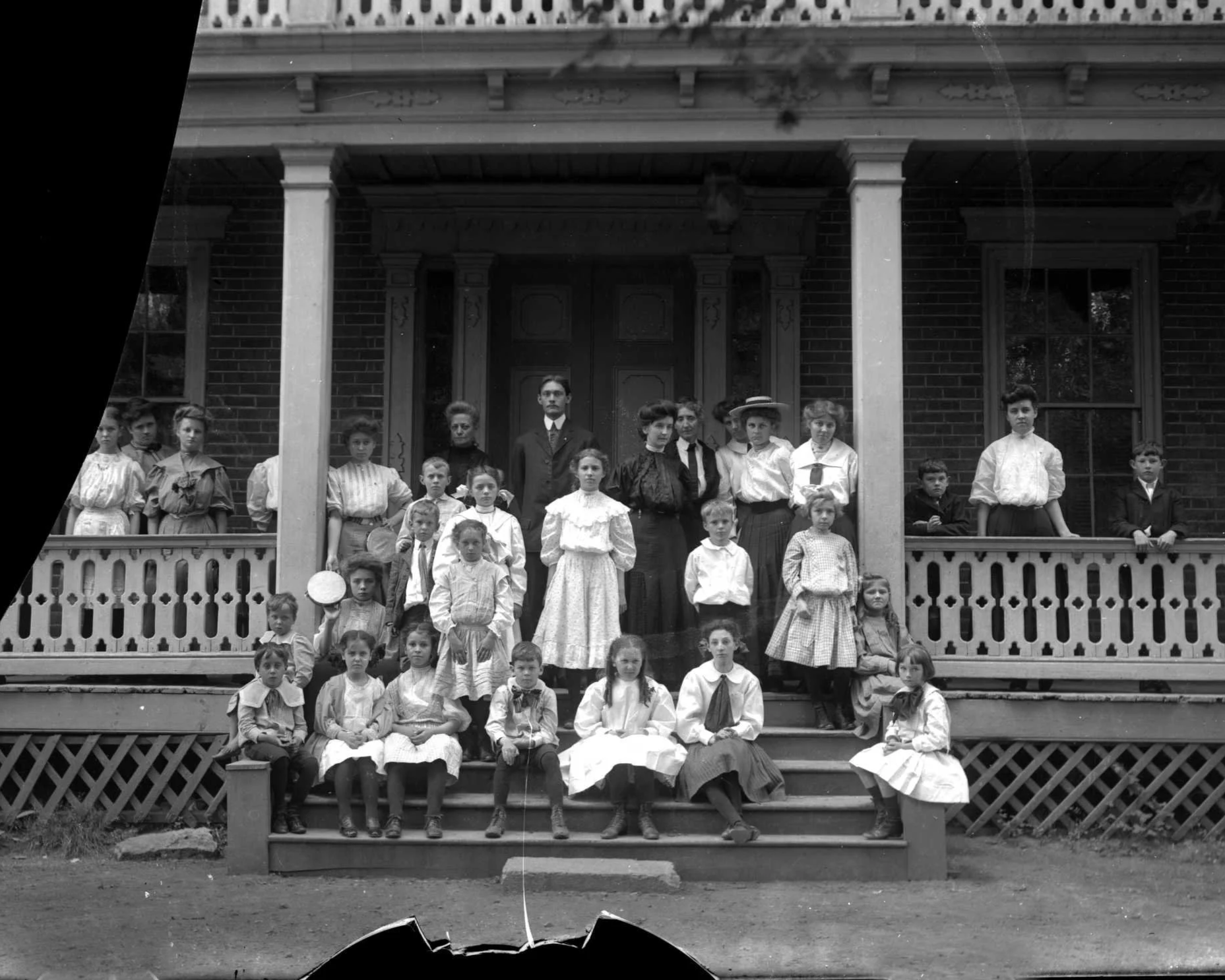
Montgomery Female Academy Group Photo, D. D. Lester Collection