
Art+History: Migration
Call for Entry
June 2 - August 28
mi·gra·tion definition: /ˌmīˈɡrāSHən/ Noun
seasonal movement of birds or animals from one region to another.
movement of people to a new area or country in order to find work or better living conditions.
Patterns of migration shape the history of a location. The movement of both animals and populations form a significant impact on a region - from the influence of Native Americans, Europeans, and African populations that have formed the traditions and heritage of Appalachia to the migratory animals and insects that allow native plants to flourish. Celebrate the 250th anniversary of the formation of Montgomery County and the Declaration of Independence by depicting what migration means to you.
Fees
Registration is $25 for Museum members, $35 for non-members. No images are required to register. Several days before the opening you will be asked to register your title and price (if any). Up to three (3) pieces may be submitted.
Show Parameters
2D or 3D Artworks representing anything to do with migration and that are family-appropriate will be accepted. They may have been created at any time in the past. This is a non-juried show. However, the Museum reserves the right to reject art that does not adhere to these conditions. This show will be installed on June 1.
Important Dates:
May 21: Deadline for Call for Entry
May 28: Register title and bio deadline: Information on how to enter this will be sent to all registrants.
May 29 Drop Off Artwork
June 1 - Install
June 2 - Exhibit opens
June 24 - Give Local Day: Reception* 4-6 pm
August 28 - Exhibit ends
August 31 Take Down
*Note: The reception will also celebrate other exhibit openings.
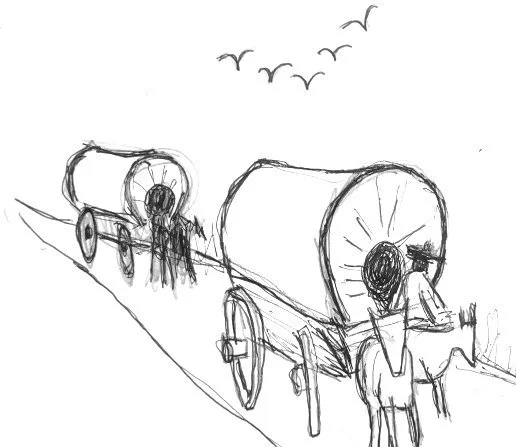
The Wilderness Road was a vital 500-mile, 18th-century route, primarily blazed by Daniel Boone in 1775.
The Wilderness Road saw nearly 300,000 settlers on their way south through Virginia between 1775-1810. Traveling on foot or horseback, some settled along the way, while others continued on to the interior of the nation. The Conestoga wagon later became the favorite mode of transportation.
The Museum’s history exhibit for VA250 celebrates our place on the Westward expansion